Origins of Savarin Cake
The savarin cake has its roots in French culinary tradition and is closely related to the baba au rhum. It was named after Brillat-Savarin, a famous French gastronome. Over time, the dessert became popular across Europe, especially in France and Italy, where it remains a traditional pastry.
Flavor Profile and Texture
Savarin cake has a soft and airy crumb that becomes tender after soaking in syrup. The syrup is often flavored with rum, citrus, or vanilla, giving the cake a rich yet balanced taste. The flavor is indulgent without being heavy, making it enjoyable as both a dessert and a celebratory treat.
Traditional Preparation Methods
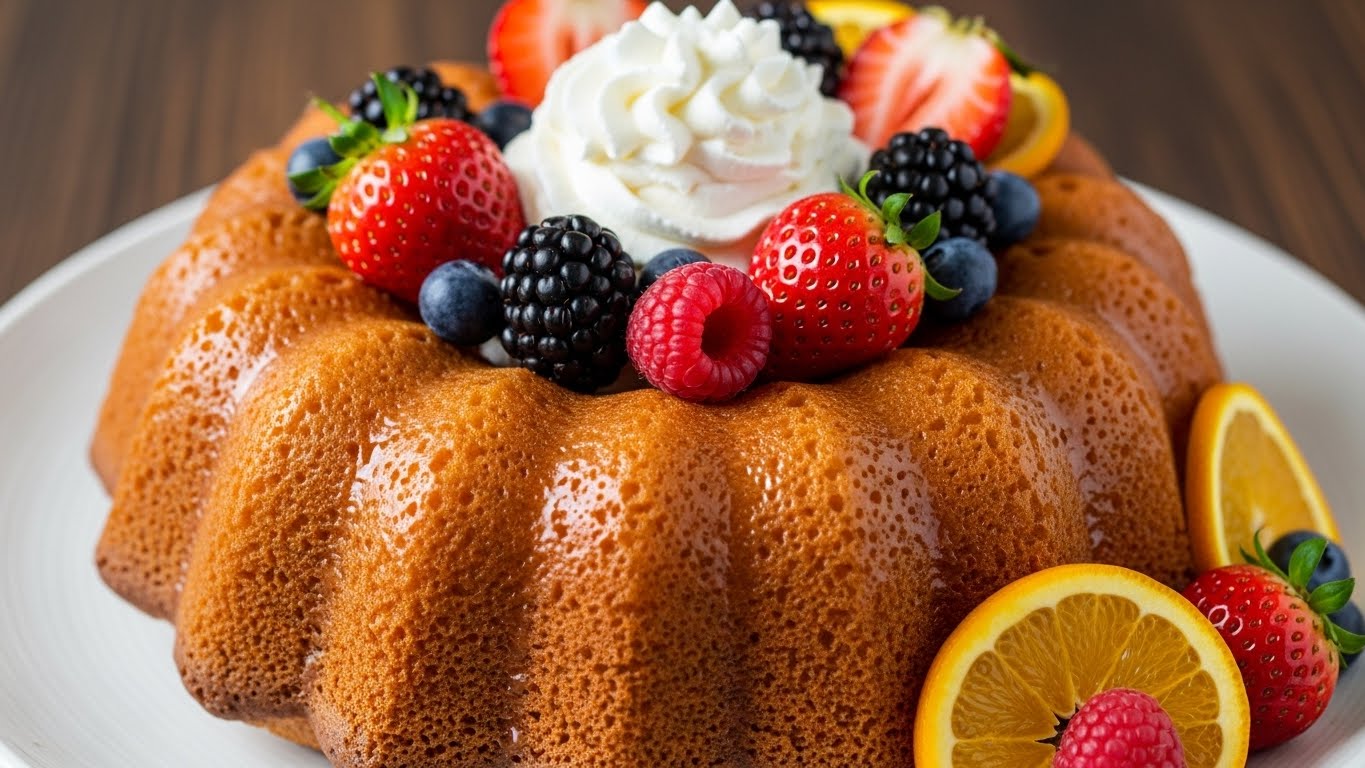
Traditionally, savarin cake is baked until lightly golden and then soaked in warm syrup. Once fully absorbed, it is often glazed for shine and decorated with whipped cream, fruit, or pastry cream. These elements enhance both the appearance and flavor of the cake.
Savarin Cake in Modern Cuisine
Today, savarin cake continues to be enjoyed in both traditional and modern variations. Chefs experiment with different syrups, fillings, and toppings while preserving the original technique. Despite these updates, the cake’s rich history and timeless appeal remain unchanged.
Why Savarin Cake Remains Popular
Savarin cake is cherished for its elegance, history, and distinctive texture. Its combination of light dough and flavorful syrup creates a dessert that feels both refined and comforting. This balance of tradition and taste keeps savarin cake relevant in pastry culture.